“You may delay, but time will not.” – Benjamin Franklin
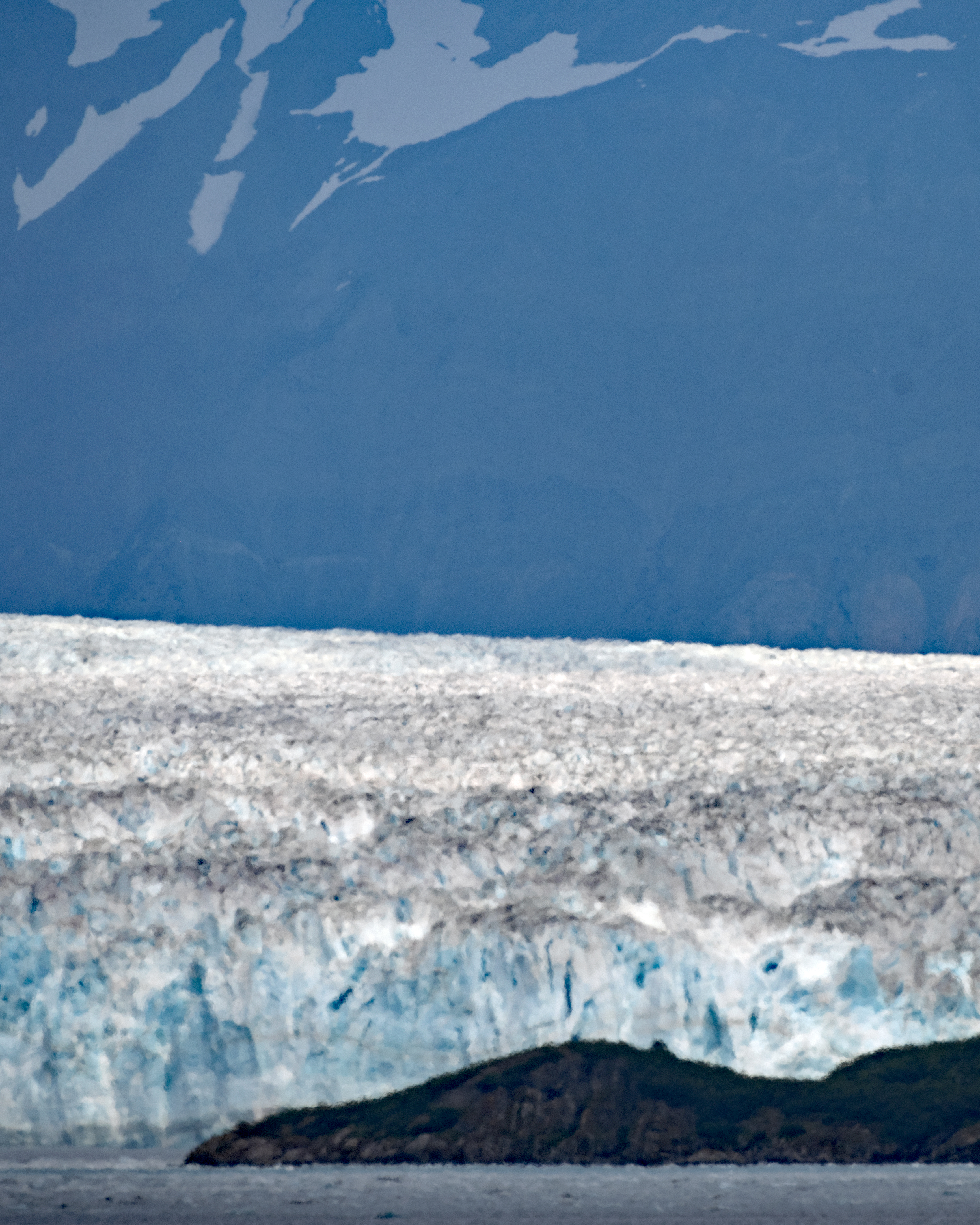
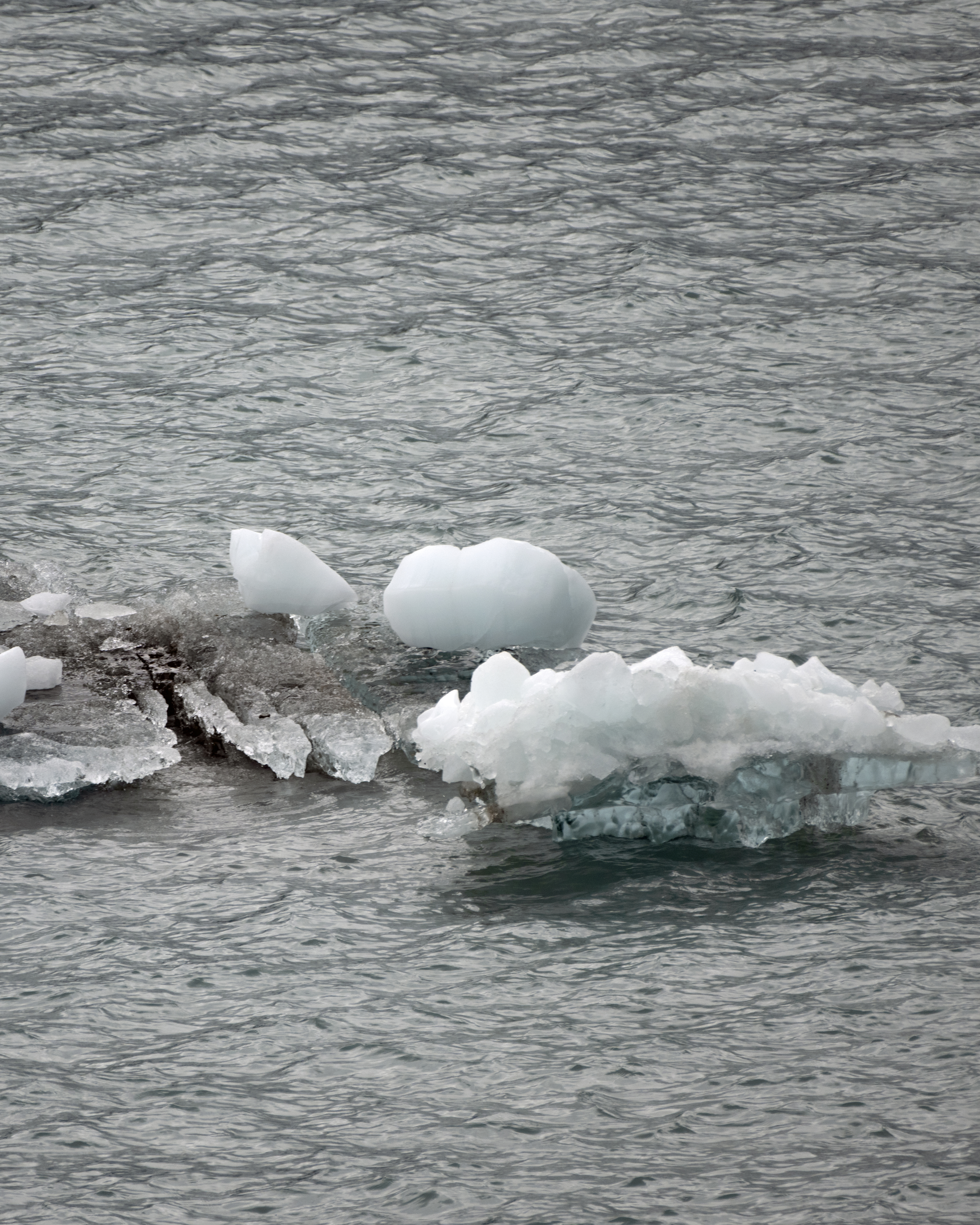
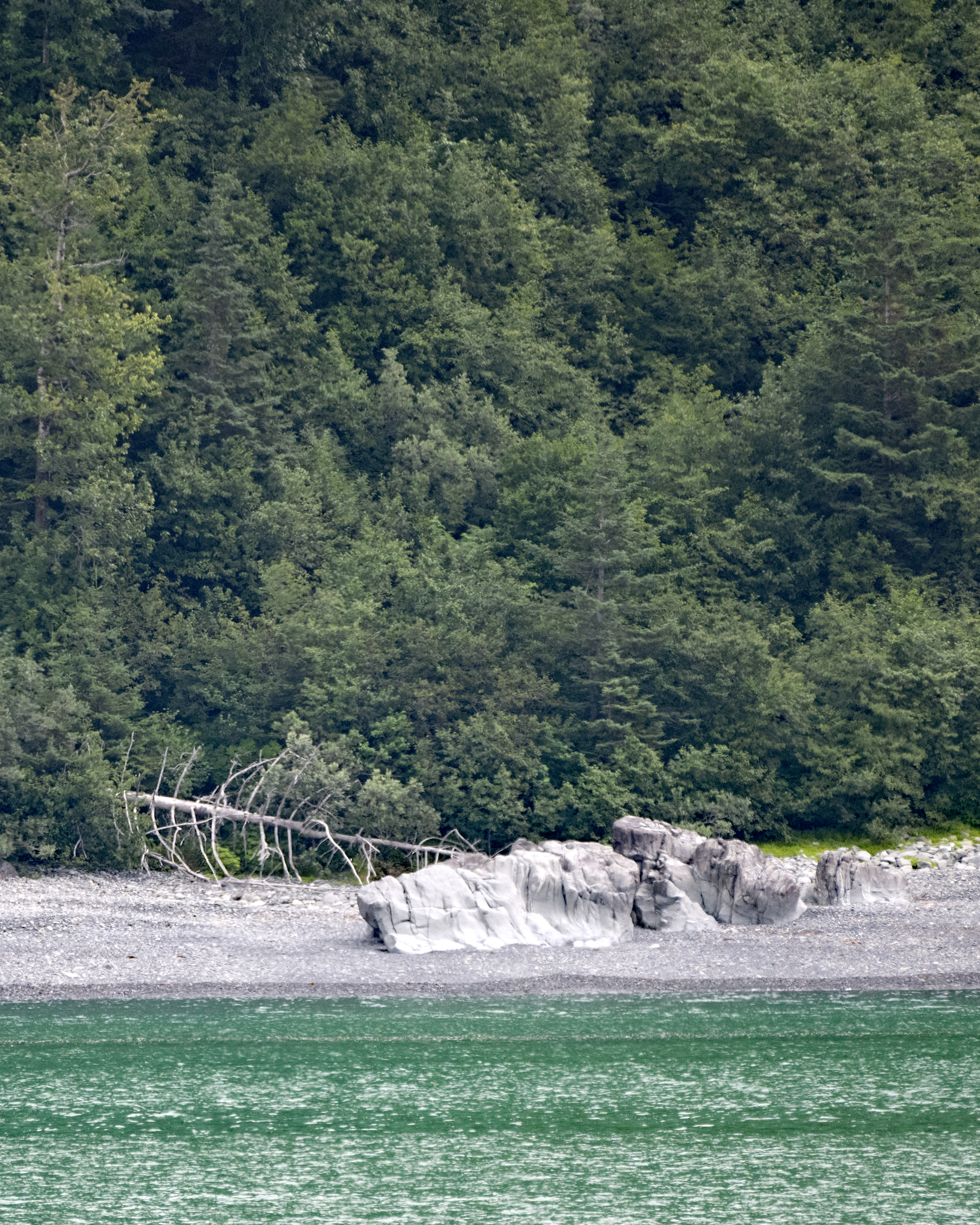
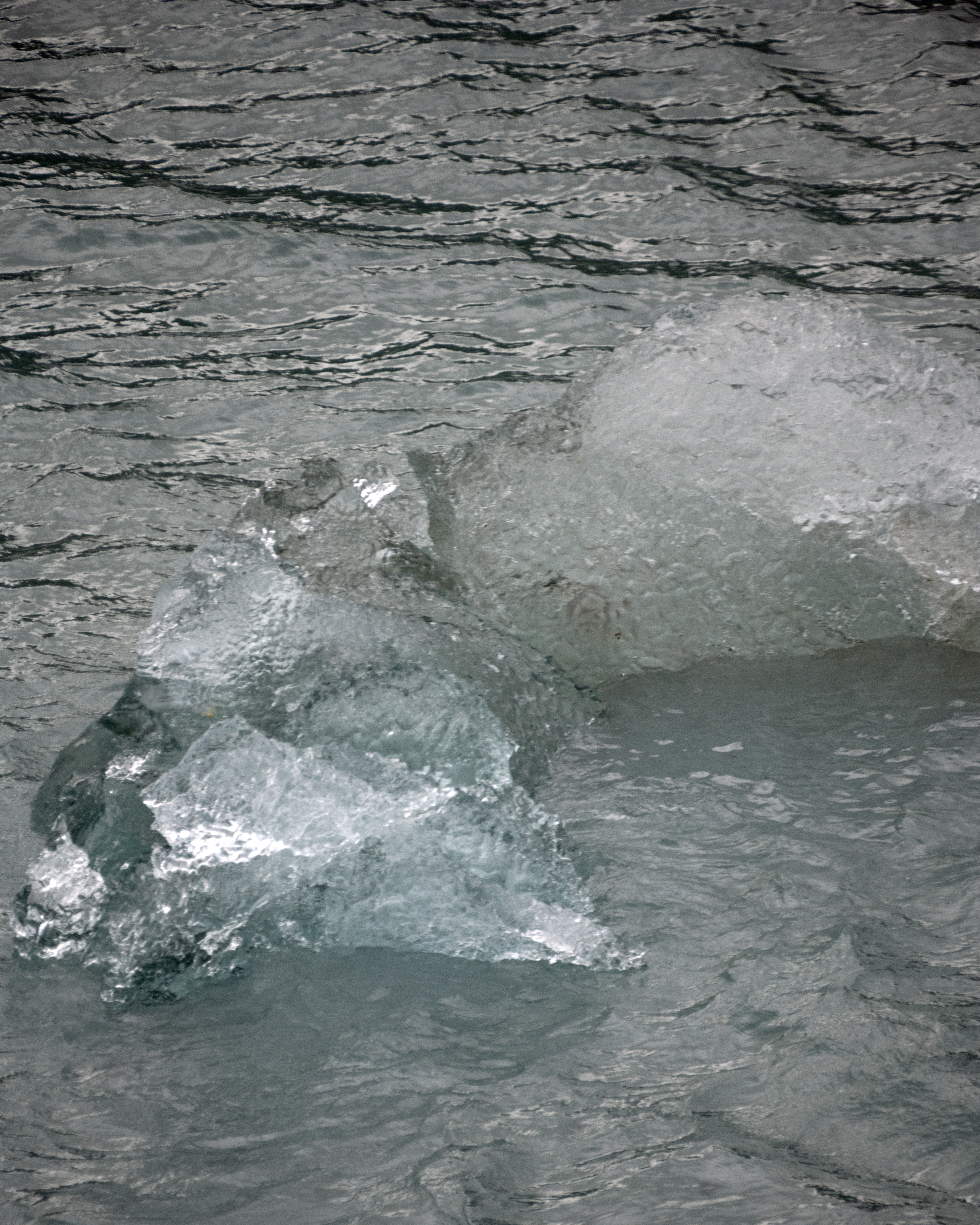
Last summer, the family and I took a cruise around the inside passage of Alaska. Overall, the weather was fantastic. We had clear skies and sunshine most of the trip. In fact, I was able to dress like it was summer. I kept hearing from other people that I needed to prepare for this wild form of winter weather. It was something I had never experienced in the summer before. Turns out it wasn’t that. The weather was just what I liked. One day while we were at sea, it did get really cold outside. That was just one of the signs that we were getting close to a glacier. Another sign was there was no music playing on the deck. Cruise ships are famous for having loud music to dance to on ship. However, officials in the area don’t want unnecessary sound near the glaciers to protect them. While the music isn’t blasting, the beauty of the scene around me is overwhelming. It is louder than any sound played on a cruise ship could ever be. Another sign that we were near a glacier was the fact that their was ice floating in the water. This was my first time seeing, and thankfully we didn’t have a Titanic moment.
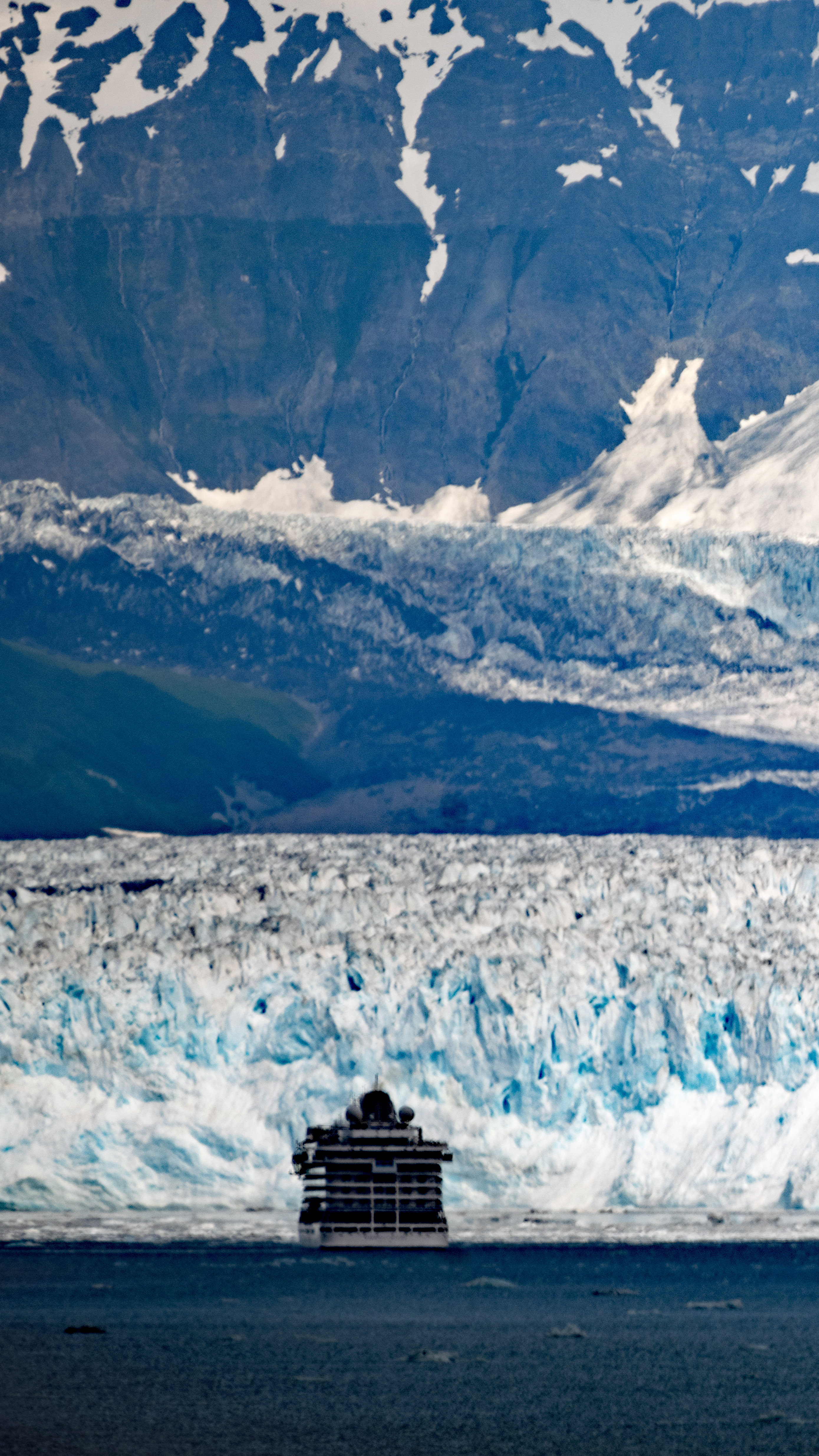
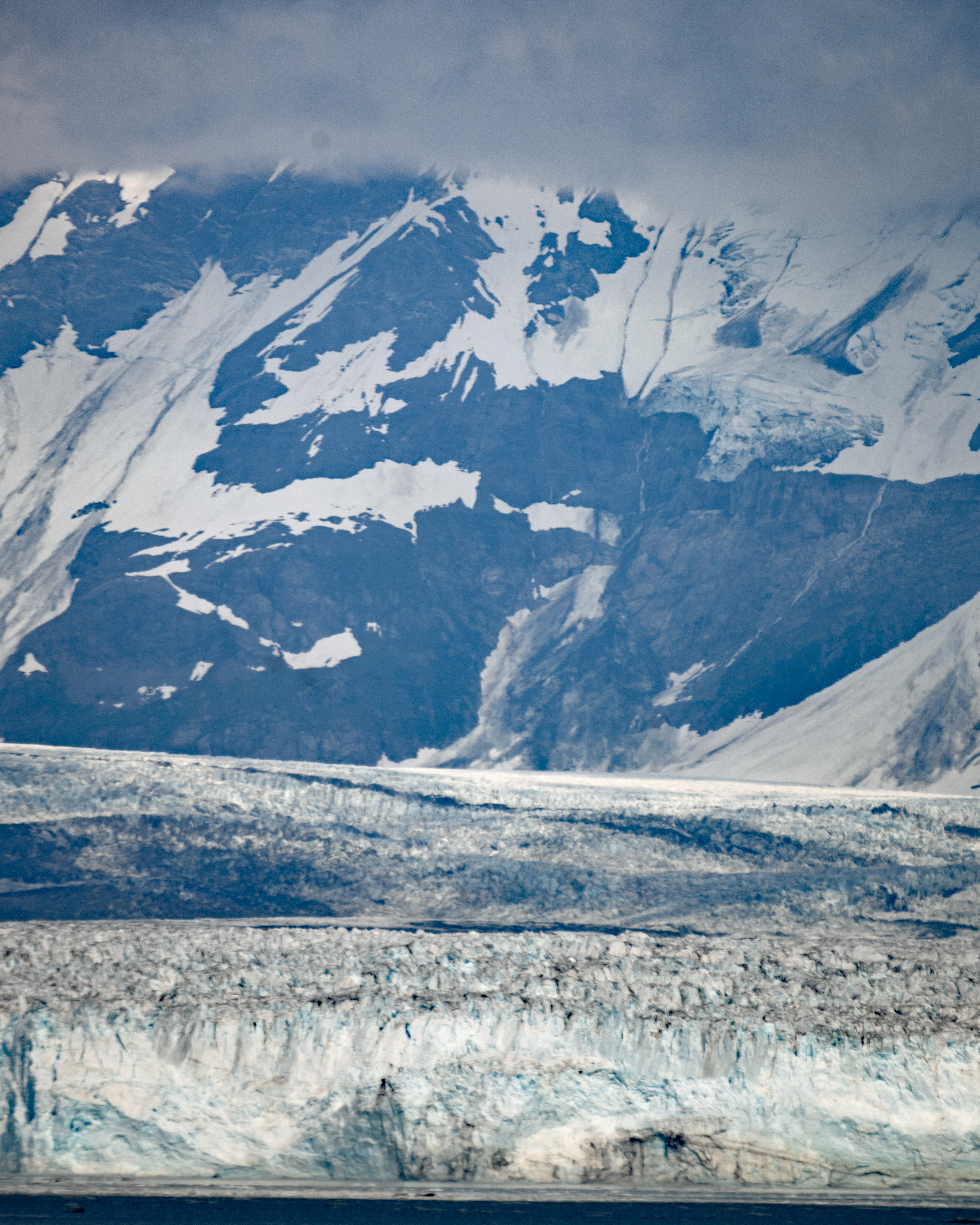
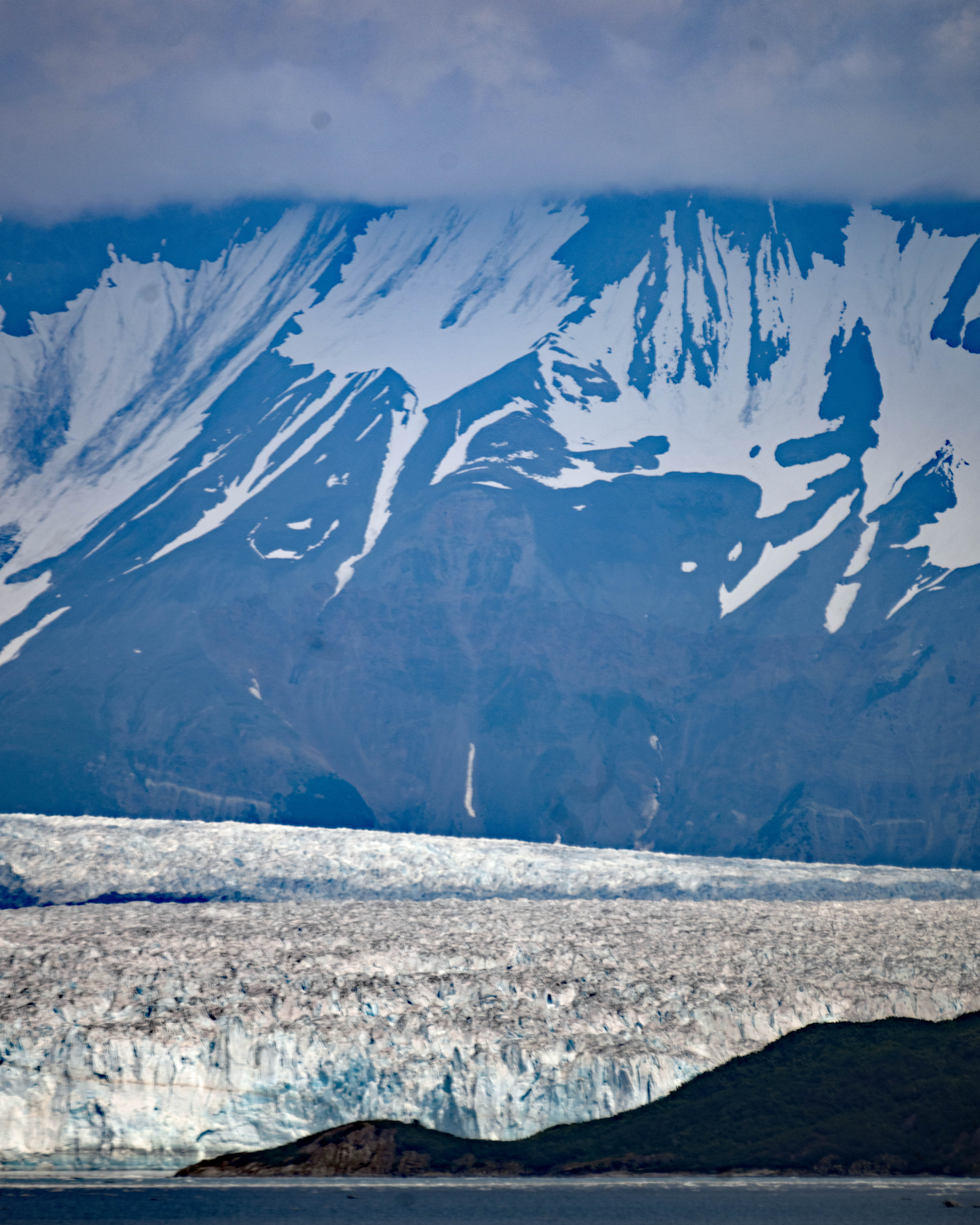
The glacier we saw in Alaska was the Hubbard Glacier. Here are some facts about it. Hubbard Glacier is North America’s largest tidewater glacier. It measures 76 miles long. It is known for its “galloping” advance, which is unlike most receding glaciers. It is named after Gardiner Hubbard, the first president of the National Geographic Society. The glacier is distinguished by its towering face. This face is 600 feet tall at the terminal face, with 250 feet below the waterline.
 Through Griffin's Lens